Our Blog
Insights, tutorials, and updates about barcode and QR code generation
How to Generate a Barcode for a Product You're Selling Online
Selling online and need a barcode for your product? Here's how to pick the right barcode type, generate it correctly, and avoid the labeling mistakes that get shipments rejected.
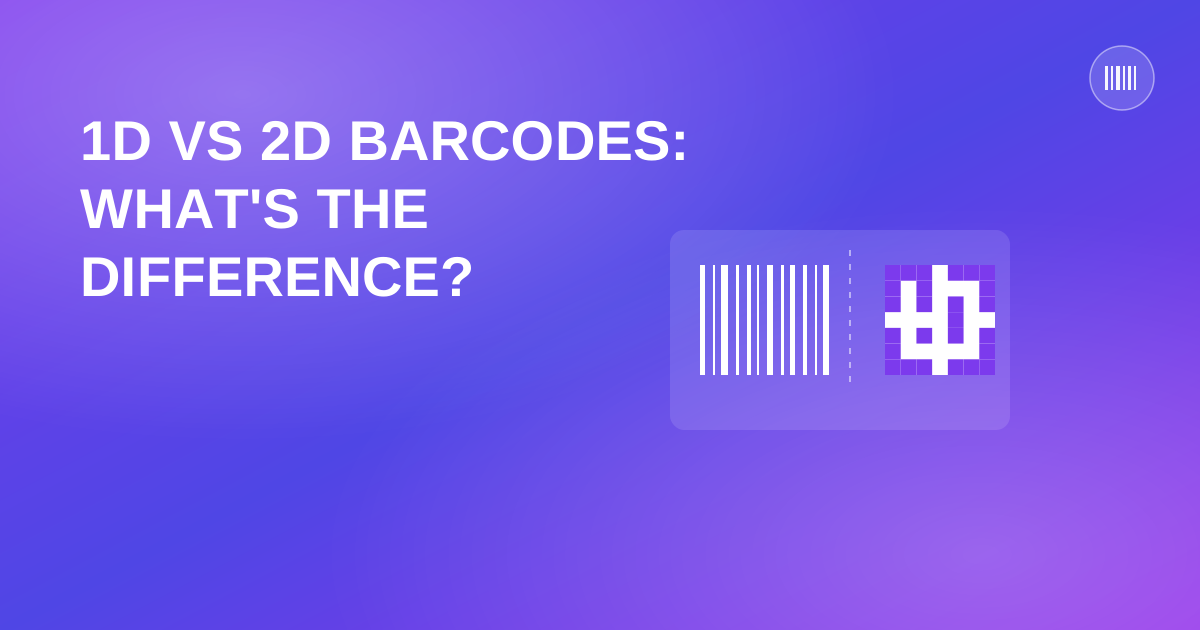
1D vs 2D Barcodes: What's the Difference and When to Use Each
1D barcodes and 2D codes like QR aren't interchangeable. Here's what actually separates them, how much data each can hold, and which one fits your use case.
Why Won't My Barcode Scan? Common Causes and Fixes
A barcode that won't scan is almost always a printing or sizing problem, not a scanner problem. Here's how to diagnose it and fix it before your next print run.
What's the Best Barcode Format for Shipping Labels?
Shipping labels almost always use Code 128, not the UPC you see on retail products. Here's why, and when a different format actually makes sense.
Can I Reuse a Barcode for a Different Product?
Reusing a barcode across different products causes inventory and sales tracking to break in ways that are hard to trace later. Here's why it happens and what to do instead.
How to Generate FNSKU Barcodes for Amazon FBA (Step-by-Step Guide)
Shipping inventory to Amazon FBA? Here's exactly what an FNSKU barcode is, why Amazon requires it, and how to generate and print compliant labels without shipment delays.
How Hospitals Use Barcodes to Reduce Medication Errors
Barcode medication administration has measurably cut dosing errors in hospitals. Here's how the system actually works, from the wristband to the medication cart.
What Is a GS1 Barcode and Do Manufacturers Actually Need One?
GS1 barcodes are the standard identifiers behind most retail and supply chain products. Here's what GS1 actually does, and when manufacturers genuinely need to register with it.
How Do Library Barcode Systems Actually Work?
Library barcodes track two separate things at once — the item and the patron. Here's how the checkout, cataloging, and inventory pieces all fit together.
What Is a Barcode and How Does It Actually Work?
A barcode is a machine-readable pattern that stores a short string of data as bars and spaces. Here's exactly how scanners read them, how the numbers are structured, and why businesses rely on them.

Why Small Businesses Should Use Barcodes

Why Retail Businesses Are Switching to Barcode Generators in 2026

What Barcodes Represent (Beyond the Lines)
Why Manual Tracking Fails at Scale
Why Barcodes Are Still Essential in a Digital World

How Barcodes Help Reduce Human Error

How Barcodes Improve Accuracy in Business Operations
The Role of Barcodes in Modern Inventory Management
Different Types of Barcodes Explained: UPC, EAN, Code 128 & More
Free vs Paid Barcode Generators: What’s the Difference?
Online Barcode Generator vs Installed Software
Do Barcodes Expire or Need Renewal?
Why Custom QR Barcodes Are a Game-Changer for Businesses in 2026
The Security Benefits of Using QR Codes for Digital Transactions
The Ultimate Guide to Free Barcode Generators for Shopify & Amazon Sellers: Pros and Cons
UPC vs EAN vs Code128 vs QR: A Complete Guide to Choosing the Right Barcode for Your Business
How Barcode and QR Code Compliance Standards Impact US Retail & Shipping
Fixing Common Barcode Printing and Scanning Issues: Best Practices & Troubleshooting Tips